Luxury travel in 2026 isn’t about being louder, flashier, or more “seen.” It’s about being better taken care of, with more space, more privacy, more control, and fewer compromises. And that’s exactly why the Caribbean, and especially St. John, is sitting in a sweet spot right now: close enough for an easy getaway, beautiful enough for milestone trips, and flexible enough to match how people actually want to travel.
Industry forecasts are pointing in the same direction: luxury demand remains strong, but travelers are more selective, more value-conscious, and more intentional about how they spend. Virtuoso’s 2026 Luxe Report, built from a survey of thousands of travel advisors across dozens of countries, calls out a shift toward meaningful, restorative, deeply personal travel, plus trends like crowd avoidance, slower pacing, and wellness becoming non-negotiable.
So what’s genuinely new for 2026 in Caribbean luxury travel, and how do you plan a trip that feels current, effortless, and worth it?
Is “quiet luxury” officially replacing flashy luxury?
Yes, and the Caribbean was basically built for it.
The new signal of luxury isn’t a lobby designed for selfies. It’s a stay that feels private, calm, and human. Think: fewer strangers, more space, less schedule, and service that works behind the scenes. Virtuoso frames this as luxury travelers no longer chasing “luxury for its own sake,” but instead pursuing travel that feels meaningful and personal.
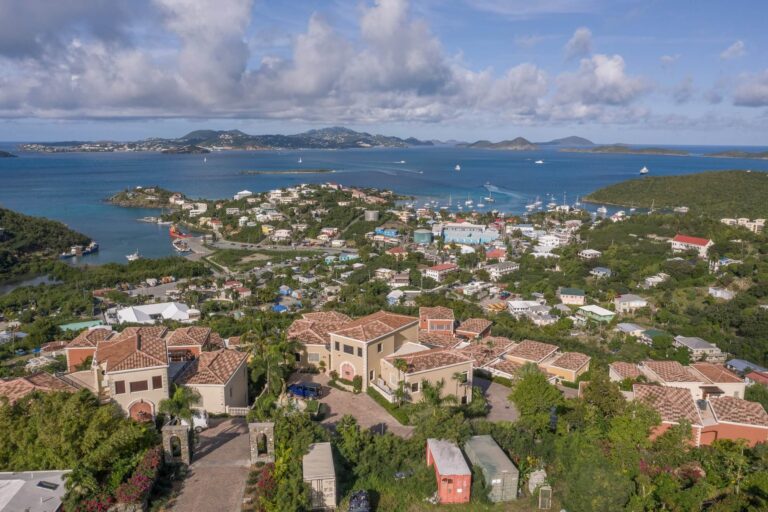
This is exactly where St. John holds an advantage. It’s naturally lower-density than many Caribbean hotspots, and its rhythm leans “barefoot upscale” rather than “mega-resort energy.” When your days are beach, boat, hike, sunset, dinner, repeat, the destination becomes the antidote to modern noise.
And it’s also why villa-style travel is winning: you’re not buying a room; you’re buying breathing room.
Are crowds now a “luxury deal-breaker”?
More than ever, and people are paying to avoid them.
Virtuoso literally labels “Crowd Control” as a defining luxury trend for 2026, noting that freedom from crowds is becoming “the new luxury,” with travelers adjusting timing and destinations to reduce congestion and stress.
Expedia’s Unpack ’26 report also spotlights overcrowding as a major pressure point and even introduces a “Smart Travel Health Check” concept tied to destination stewardship.
What that means for the Caribbean: the demand isn’t disappearing, but the smartest travelers are shifting how they do it, choosing quieter bases, building itineraries around nature and water time, and leaning into shoulder seasons when the vibe is calmer and the experience is better.
St. John makes that easier because so much of the island is protected. Virgin Islands National Park covers roughly 60% of St. John, an unusually high proportion for a destination this desirable.
Is the villa becoming the main luxury “product,” not the destination?
In 2026, yes. The “home base” matters as much as the island.
Luxury travelers are increasingly designing trips around how they want to live for a week: mornings that aren’t rushed, space for friends and family, privacy when needed, and a setting that makes doing nothing feel like a plan.
That’s why villas are outperforming traditional hotel models, especially in the Caribbean, where the outdoors is the real amenity. The Hills St. John leans directly into this: a gated enclave above Cruz Bay with two-, three-, and four-bedroom villa-style residences, full kitchens, private verandas, and, in some cases, private pools, paired with on-property amenities that keep the trip easy.
This “villa living plus” hybrid is the modern sweet spot: the privacy of a home, without giving up the convenience that makes travel feel like a vacation.
Are multigenerational and “milestone” trips still dominating luxury travel?
Yes, and they’re getting more practical and more personal.
Luxury travel is increasingly driven by who you’re traveling with and why. The Virtuoso report highlights celebration travel and family gatherings as major demand drivers, and notes strong interest in trips that feel seamless for groups, especially when everyone’s schedules and preferences are different.
This is where villas quietly crush hotels. You get shared space for the moments that matter, coffee on the terrace, pool time, a private chef dinner, plus enough separation that nobody feels trapped in constant togetherness.
The Hills St. John is built for that style of travel: multi-bedroom layouts, kitchen and living spaces designed for gathering, and concierge support that can turn a birthday week, anniversary trip, or friends’ reunion into something that feels effortless instead of logistically exhausting.
Is wellness travel evolving beyond “spa days”?
Absolutely. In 2026, wellness is less about pampering and more about resetting.
Wellness has crossed the line from trend to core travel motivation. Virtuoso calls out wellness-focused journeys as a major driver, tied to balance, resilience, and longevity.
And Condé Nast Traveler’s 2026 wellness coverage shows the category widening, less clinical, more experiential, built around nature, sleep, heat and cold therapies, stargazing, and social wellness concepts.
In the Caribbean, the strongest wellness experiences often aren’t indoors. They’re outdoors: salt water, sunshine, movement, and quiet. St. John makes this especially natural because the island’s best days are physically restorative by default: swim, snorkel, hike, repeat.
And if your idea of wellness includes “having time back,” concierge becomes a wellness tool, too.
Is tech making luxury travel better, or just more annoying?
Both, depending on how it’s used.
Travel brands are pushing harder into AI, personalization engines, and “frictionless” trip management. That can be great, up to the point where it replaces actual service with chatbots, apps, and self-serve everything.
The opportunity in 2026 is using tech to remove friction while keeping the experience human. That’s why high-end travelers still value the role of a trusted advisor and curated support. Virtuoso notes travelers are willing to spend, but they’re mindful of rising costs and want real value, not just inflated pricing.
This is where a tight, on-property concierge model beats a “call center concierge” every time. The Hills positions their concierge team as proactive and personal: arranging everything from pre-arrival grocery stocking to private chefs, yacht charters, spa treatments, and transportation, handled by a dedicated team serving a limited number of villas.
In plain terms: you get modern convenience without feeling like you’re managing your own vacation.
Are travelers in 2026 building trips around niche passions and identity?
Yes, and it’s reshaping what “luxury itinerary” even means.
Booking.com’s 2026 Travel Predictions frames this as “the era of you”: travelers designing trips around individuality, quirks, goals, and passions rather than one-size-fits-all itineraries.
Expedia’s Unpack ’26 echoes the idea with interest-based travel styles, from book-club retreats to sports travel and beyond.
In the Caribbean, this shows up as:
- Private charters designed around snorkeling, diving, or sunset sails
- Chef-led meals aligned with dietary goals, or just pure indulgence
- Photography trips, hiking-focused days, or beach-hopping missions
- Split stays: lively for a few nights, quiet for the rest
St. John is especially strong here because it’s easy to tailor. You can do lively Cruz Bay dinners one night and disappear into national-park beaches the next. And with a concierge team coordinating details, passion-led travel becomes simple instead of high-maintenance.
Is sustainability becoming part of luxury, without the guilt trip?
Yes. And in 2026, it’s less about slogans and more about stewardship.
Luxury travelers still want comfort and ease, but they’re increasingly allergic to destinations that feel overwhelmed, overbuilt, or careless. Virtuoso links crowd avoidance with a broader preference for high-value, low-volume travel that preserves authenticity.
Expedia’s overcrowding focus reinforces the same pressure from a different angle.
This is where St. John has a real structural advantage: with about 60% of the island protected as Virgin Islands National Park, the destination’s identity is tied to conservation and natural beauty, not constant development.
No destination is perfect, but if you want Caribbean luxury that still feels like nature, not a theme park, St. John belongs on your shortlist.
Is “ease of getting there” becoming a bigger luxury factor?
Quietly, yes, especially for U.S. travelers.
Convenience is the underrated trend that influences everything. The U.S. Virgin Islands offer a rare mix: Caribbean scenery with U.S.-territory logistics. For U.S. citizens traveling from the mainland or Puerto Rico, no passport is required.
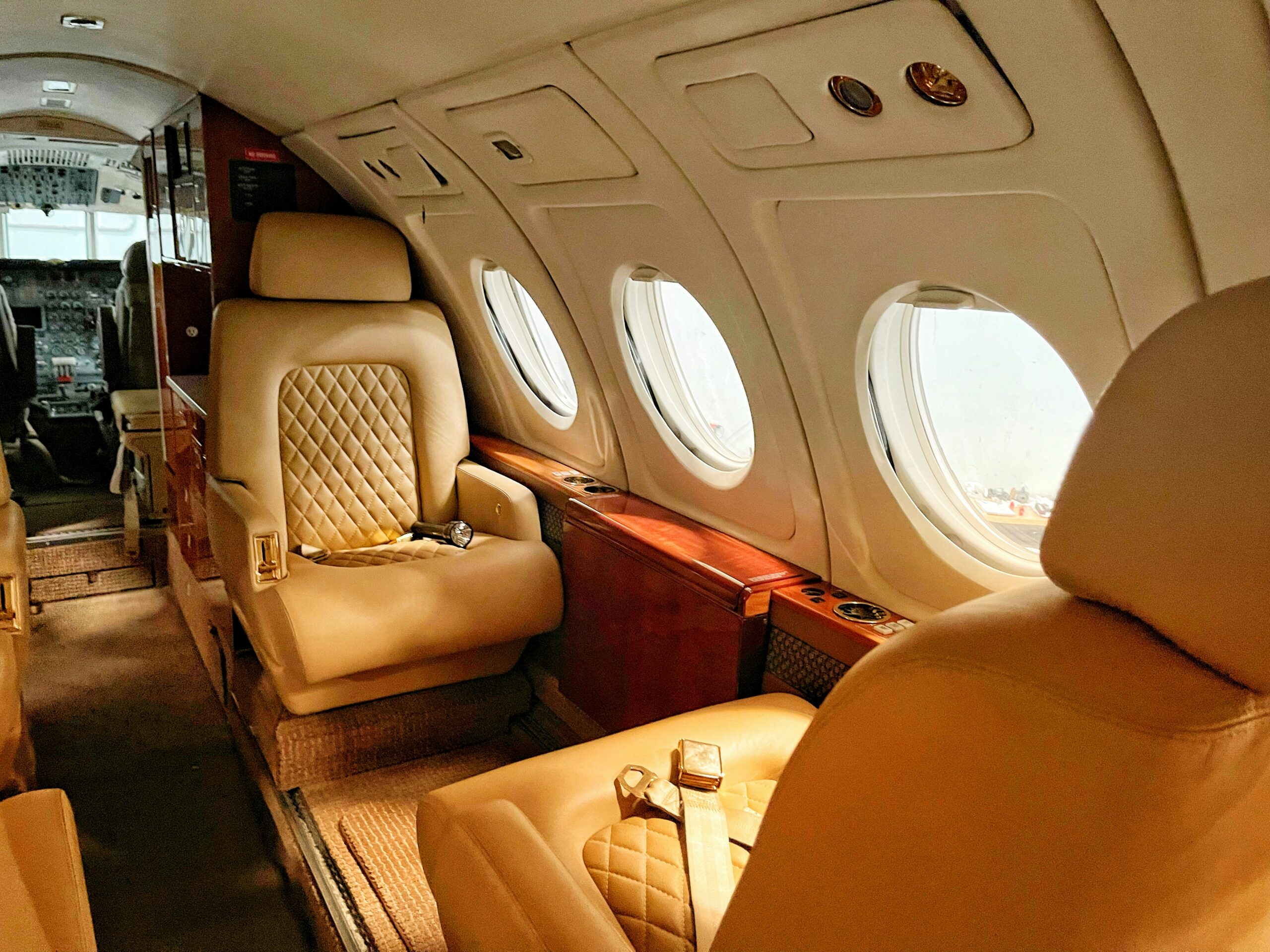
St. John itself doesn’t have an airport, but it’s straightforward: fly into St. Thomas, then ferry or private transfer to Cruz Bay. The Hills even notes its concierge can help arrange options including private water transport.
That matters in 2026 because people are traveling more intentionally, but they still want trips that don’t feel like a second job to plan.
So what’s the real 2026 playbook for Caribbean luxury travel?
It’s simple:
- Choose calm over chaos. The best luxury trips now feel restorative, not crowded.
- Make the home base count. Space, privacy, and design matter more when you actually plan to enjoy where you’re staying.
- Prioritize wellness that fits real life. Nature-driven wellness is winning because it doesn’t feel forced.
- Use tech to remove friction, not replace service. Convenience is great; human care is better.
- Build the trip around you. Personal passions beat generic itineraries.
- Pick destinations with natural limits. Places that protect what makes them special will age better.
And if you’re looking for a destination that naturally supports that whole checklist, St. John is an easy answer.
Why The Hills St. John fits the direction luxury travel is moving
In 2026, luxury travelers aren’t chasing more. They’re chasing better. Better sleep. Better space. Better privacy. Better use of time. Better service. Better memories with the people they actually care about.
St. John delivers that kind of luxury naturally: less noise, more nature, and a pace that makes you feel human again. With Virgin Islands National Park covering roughly 60% of the island, the destination still feels like the Caribbean you have been dreaming of. And with the convenience USVI provides for U.S. travelers, it’s the rare tropical escape that doesn’t require a complicated international playbook.
Now pair that destination with a stay designed for the way people want to travel right now: private villa-style space inside a gated enclave, close to Cruz Bay, with resort-style amenities, and concierge support that can quietly handle the details that usually eat your vacation alive.
If you want your next Caribbean trip to feel like the best version of luxury travel in 2026: calm, personal, seamless, and worth every dollar, book your next USVI stay with The Hills St. John, and let the island, and the concierge team, do what it does best.